Table of Contents
Depth treatment is a restorative technique based upon the work of Swiss psychiatrist Carl G. Jung. Deepness treatment is started on the idea that a lot of psychological health concerns are brought on by unconscious inspirations which disclosing and exploring these motivations is the essential to healing. There are numerous different techniques that fall under the umbrella of deepness treatment, one unifying objective of specialists that specialize in depth therapy is to integrate the unconscious mind with the mindful.
Psychology is built around the research of the human mind, which numerous popular psycho therapists have actually believed to be affected by the unconscious. Depth psychology is a branch of psychology that explores the unconscious elements of the human psyche to recognize the underlying inspirations and emotions that drive habits. The subconscious mind is a vital part of deepness psychology.
Depth psychologists commonly see the human subconscious as both conscious and unconscious, and psychoanalysis is typically their primary psychotherapeutic method. Deepness psychology checks out the underlying motives that could be the trick to psychological distress. There is a belief that uncovering subconscious forces can be fundamentally recovery. This psychoanalysis frequently seeks the much deeper layers beneath our mindful understanding, behavior, and ideas.
Wellness Strategies Throughout Depression therapy
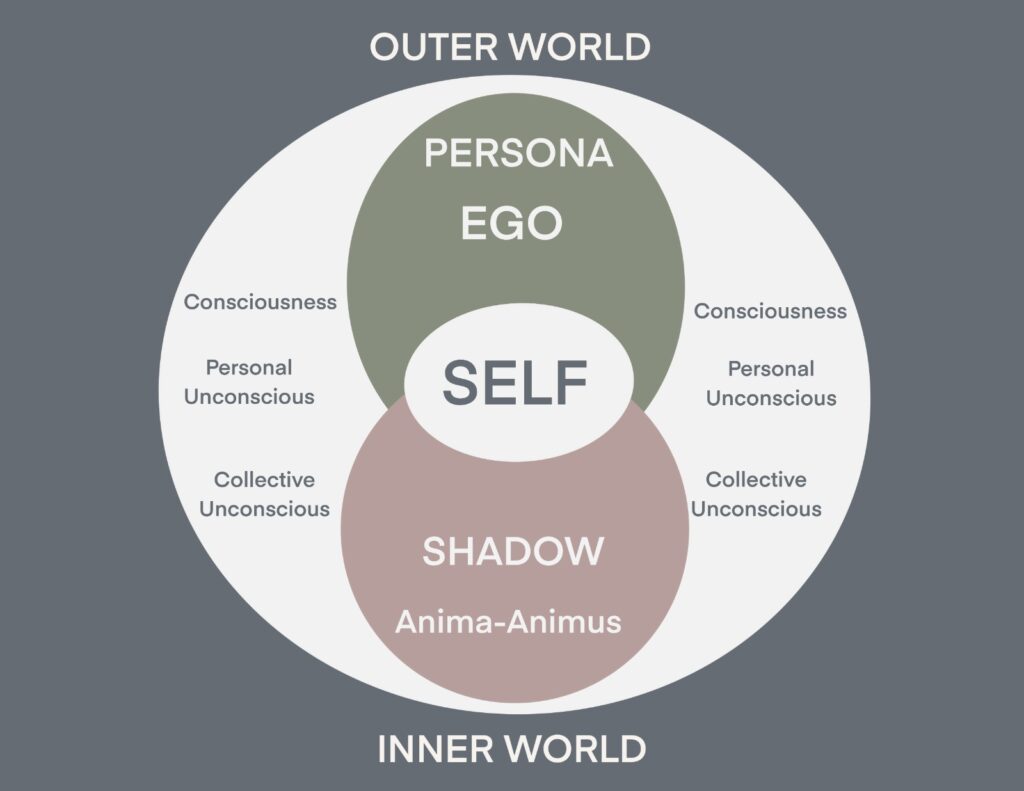
As component of his job, Jung thought in a deeper collective unconscious and depictive archetypes. The cumulative subconscious, according to Jung's deepness mental perspective, helps describe our personality toward myth-making and dreaming. Underlying this combination is the concept that the human subconscious is partly conscious and partly subconscious, keeping experiences and concerns that might have been quelched, in addition to cumulative and archetypal forces.
Your therapist can offer support as you make modifications in just how you respond and can help you with considerably tough situations. Depth pyschotherapy is appropriate to individuals that desire to deal with deep-rooted mental and emotional obstacles, as well as injury. There might be behaviors that you proceed to repeat even though they are damaging to you.
The Impact of Childhood Trauma in Adulthood

You might need to be inspired and individual throughout the procedure, yet it might assist you uncover extra about on your own with an expedition of your unconscious thoughts. This process may assist with any life challenges you are encountering and assist you move on with greater understanding. Take the very first step toward finding out more regarding depth psychology and reach out to BetterHelp today.
Bleuler was the director of the Burghlzli Asylum in Zrich, where Carl Jung started his profession. This area is most carefully linked with Jung's job.
By bringing the unconscious product of the specific to consciousnessboth personal and collectiveone moves from fragmentation and "one-sidedness" towards integrity. Jung thought that we were all looking for the very same thing: the spirit. From his sight (and direct experience), one requires to accept one's inner worldexploring one's desires and imaginationto at some point come to a stage of wholeness where one's soul is realized.
Addressing Trauma Therapy Myths
Together, they represent opposing forcesyin and yang. Therefore, the experts of depth psychology had to create a brand-new language for examining and translating icons and new techniques for interacting through photos. Integrating the opposites can be challenging, as it calls for an alchemical procedure that ultimately results in mental combination.

To learn more about one's shadowthe components of oneself that a person is removed and divorced fromrequires consistently confronting the vanity's identity. Depending on one's level of internal resistance and will, this process can be challenging for many individuals. Therefore, practitioners like Jung (and scholars like Joseph Campbell) consider it a "heroic act" to link the space in between the aware and the subconscious.
Freud was grooming the younger Jung to be his successor. Jung recommended a various name for their arising field: psyche-analysis.
Jung saw their role as an evaluation of the human mind, heart, and spirit. That is, Jung saw an extremely different picture of the human condition than Freud.
Cognitive Approaches to Trauma Healing
Jung believed that we are ALL fragmented and split, and purposefully or not, we're all browsing for our souls. This search for one's spirit is at the facility of deepness psychology.
D. in psychology, you aren't likely to communicate with Jungian concept except probably in a background course (where they teach you that psychoanalysis was the "initial wave"). The scholastic field of psychology is, as Jung would state, discriminatory. It's nearly solely focused on the aware mind (what he called the reasoning function).
It makes sensemost individuals run completely within the aware mind, the world of the vanity. Below, the vanity is in fee and attempts to regulate itself and its environment. Depth psychology, in comparison, needs us to engage with the subconscious domainto go into the often uncertain globe of signs, photos, and feelings.

Navigation
Latest Posts
EMDR Intensive Sessions for Past Experiences Affecting Eating
Connecting with Therapists to Transform Ancestral Stress Through Family Therapy
Bilateral Stimulation Therapy for Historical Trauma