Table of Contents
No magazine bias results in a funnel plot that is symmetrical around the mean impact dimension. The Trim and Fill method examines whether adverse or favorable tests are over or under-represented, making up the sample size (i.e., where the absent researches would certainly require to fall to make the story symmetrical).
For every research study, two of the authors (AAW, ATS) picked psychometrically confirmed steps of depression and anxiousness signs and symptoms. In situations where information from only pick subscales of a measure were reported, authors were gotten in touch with for stress and anxiety and anxiety subscale data. Three of the authors (AAW, ATS, DO) extracted mathematical data from the researches.
This relationship can not be determined from the study reports. We followed the suggestion by Rosenthal (1993 ) and presumed a traditional estimate of r = 0.7. We computed an ordinary Hedges' g effect size for researches that included steps of extent of anxiousness signs and a separate Hedges' g impact dimension for procedures of depressive symptom seriousness.
Impact size estimates for ITT and follow-up information were likewise determined in the way described over. If symptoms of stress and anxiety or anxiety are not raised at baseline, there may be little area for renovation over the training course of therapy.
Ongoing Support Approaches for OCD Management
Particularly, we calculated 95% self-confidence intervals for the pre-treatment suggests on all stress and anxiety and anxiety procedures for which recognized or recommended professional cutoff ratings are offered. If the lower bound of the 95% self-confidence period was greater than or equivalent to the cutoff score, we took into consideration the sample to have a raised level of stress and anxiety or clinical depression at pre-treatment.
Baer (2003 ) reported an average pre-post impact size of d = 0.59 based on 15 researches that were evaluated by sample dimension. The dependent variables were not restricted to stress and anxiety and clinical depression steps but were based on a variety of symptom procedures, consisting of actions of anxiety, discomfort, memory, and binge eating.
Our study recommends that this conclusion was premature and unsubstantiated. The writers included just controlled studies, thus excluding a significant portion of the MBT research study.
MBT might have general applicability. At the exact same time, a number of constraints should be noted.
Liberation from Restrictive Behaviors
Complying with the suggestions by Moses et al. (2002 ) and Hedges and Vevea (1998 ), we examined the effect sizes utilizing an arbitrary result version and evaluated the high quality of the included research studies making use of changed Jadad standards, which we considered in our analyses as a possible mediator variable. Contribute at to sustain our mission and help others locate the path to psychological wellness.
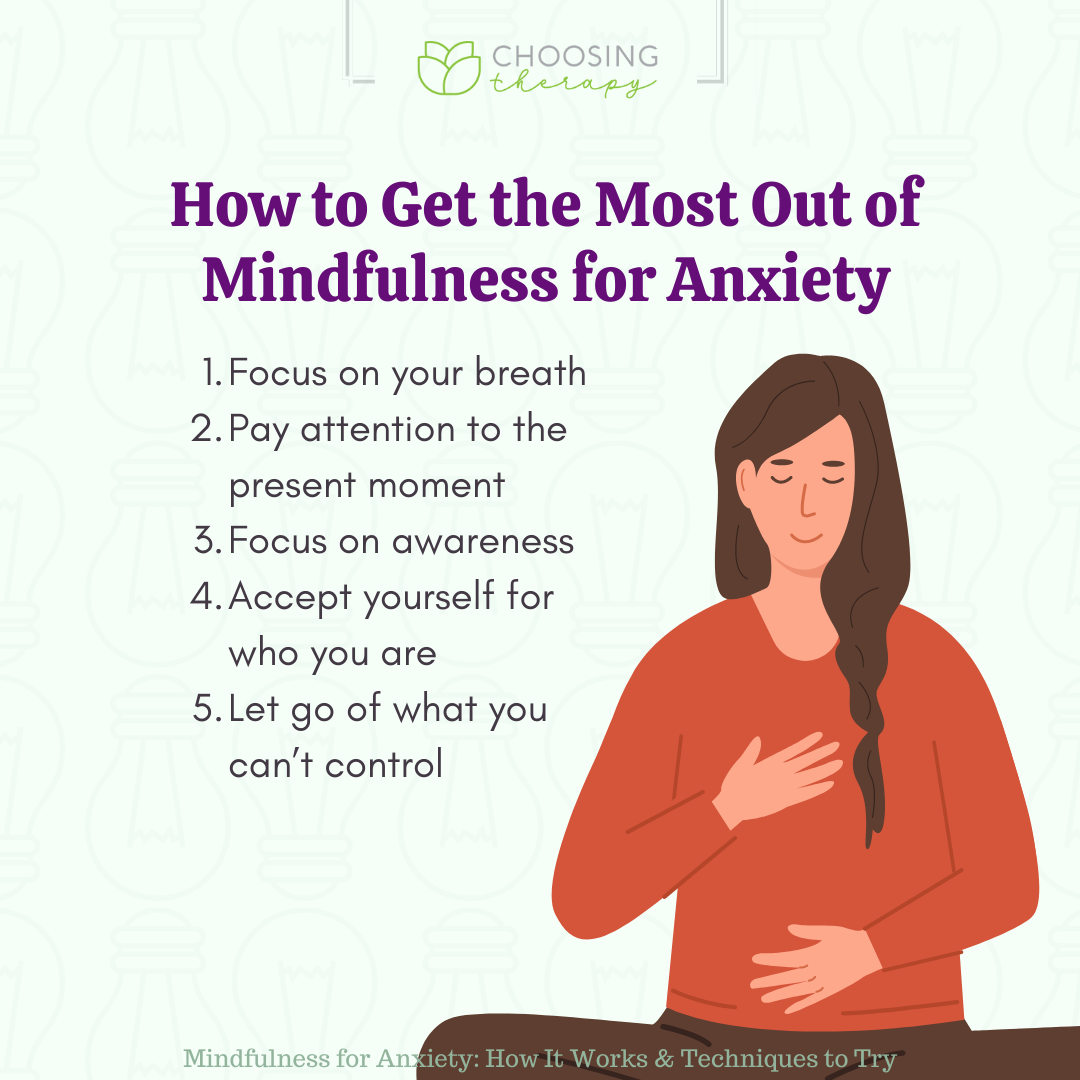
Mindfulness is a psychological state where you focus on the existing, deliberately and without reasoning. This can help you really feel calm, so that you can overcome stressful situations. Mindfulness can help you approve and handle your sensations. This can be excellent for your psychological health and wellness, help decrease stress and anxiety and enhance your sleep.
Why Competitive Settings Shape Eating Disorders
Mindfulness trains you to see when you are sidetracked and to concentrate your focus in a certain way.
, or if you have anxiousness about dropping asleep. This can aid boost your partnership with food. Being mindful can additionally help you in your connections.
Competitive Re-Entry While in Rehabilitation
Demanding thoughts come and go.
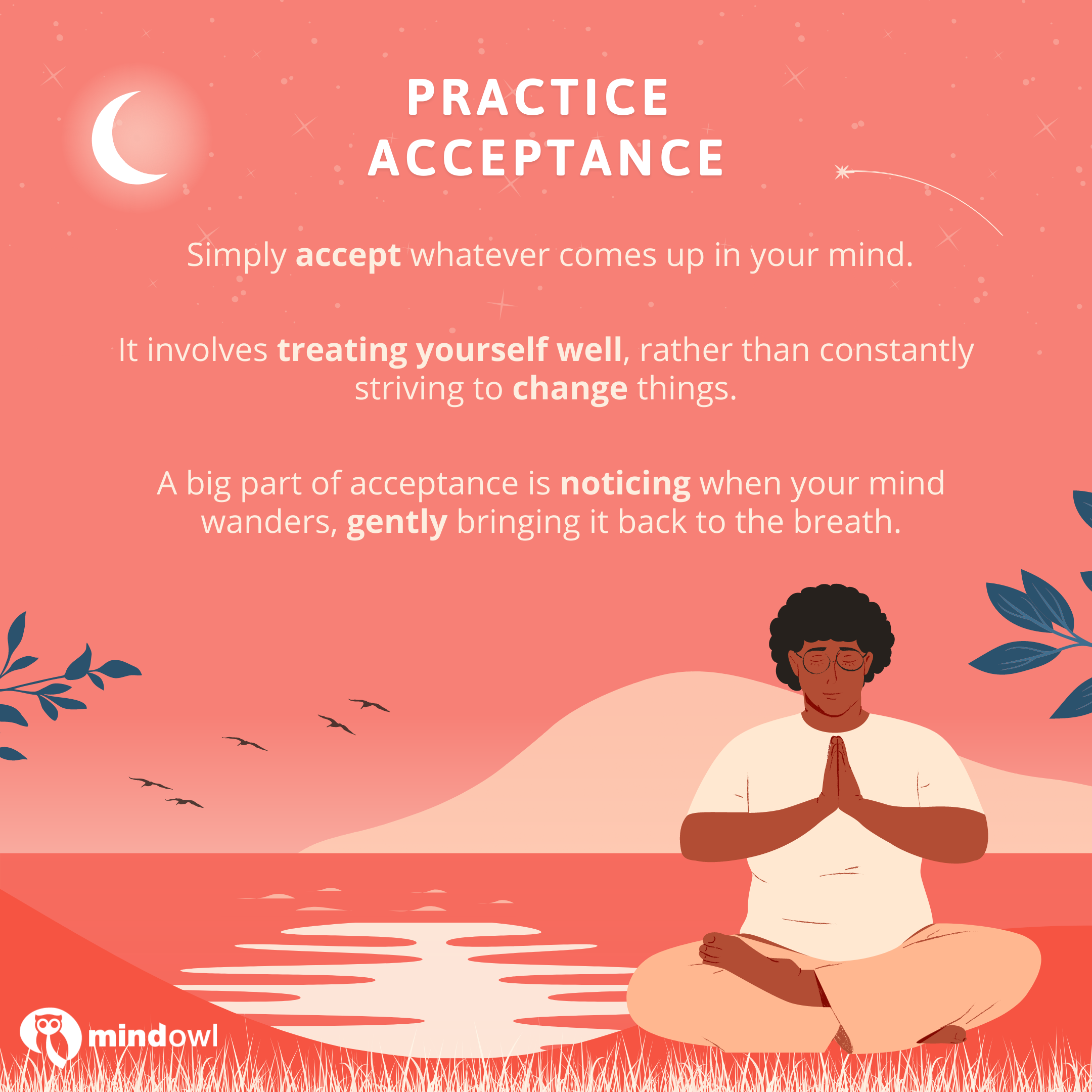
Mindfulness aids you to acknowledge and observe your ideas and feelings without: In this manner, you can separate your thoughts and just how you react to them. This places you in the finest area to manage your feelings comfortably and effectively. This can help in reducing anxiety and anxiety. Mindfulness can additionally assist you to see and engage with points around you that you might consider approved.
When you're having a meal, focus on your eating. Don't review or enjoy TV at the exact same time. There are whole lots of various meditation strategies you can try.
To do this, sit with your back straight but unwinded. For the next min, give your whole focus to breathing in and out. Focus on: how air comes on and out of your nostrils exactly how your abdominal area (stomach) climbs and drops with each breath If your thoughts start crowding in, delicately refocus on your breathing.

Navigation
Latest Posts
Addressing Cultural Misunderstandings through Mental Health Care
Dialectical Behavior Therapy: Fostering Distress Tolerance for Lasting Change
Postpartum Support: More Than Baby Blues in Napa, CA