Treatment-resistant anxiety is clinical depression that is hard to treat with standard solutions like antidepressants and talk treatment alone. Commonly the anxiety itself gets in the means. A child who is depressed may be feeling overloaded, worn out, and hopeless.
, or think concerned parents when they state therapy for clinical depression can help them. Wendy Nash , MD, a youngster and teenage psychoanalyst, claims she takes into consideration treatment"almost a requirement "when she is suggesting medication for depressionClinical depression explaining that the skills abilities showed therapy are essentialVital MBCT was initially developed to aid individuals with persisting episodes of anxiety, but it can likewise be used for dealing with an initial episode of anxiety.
Navigating Transition in Specialized Internal Family Systems
As an example, it isn't a great idea to quit taking drug right before the SATs or when going off to college. To stay clear of unpleasant adverse effects, your youngster should not stop taking medication cold turkey. Lessening antidepressants gradually, with the guidance of a clinician who is monitoring them to make certain they are healthy and balanced, is essential
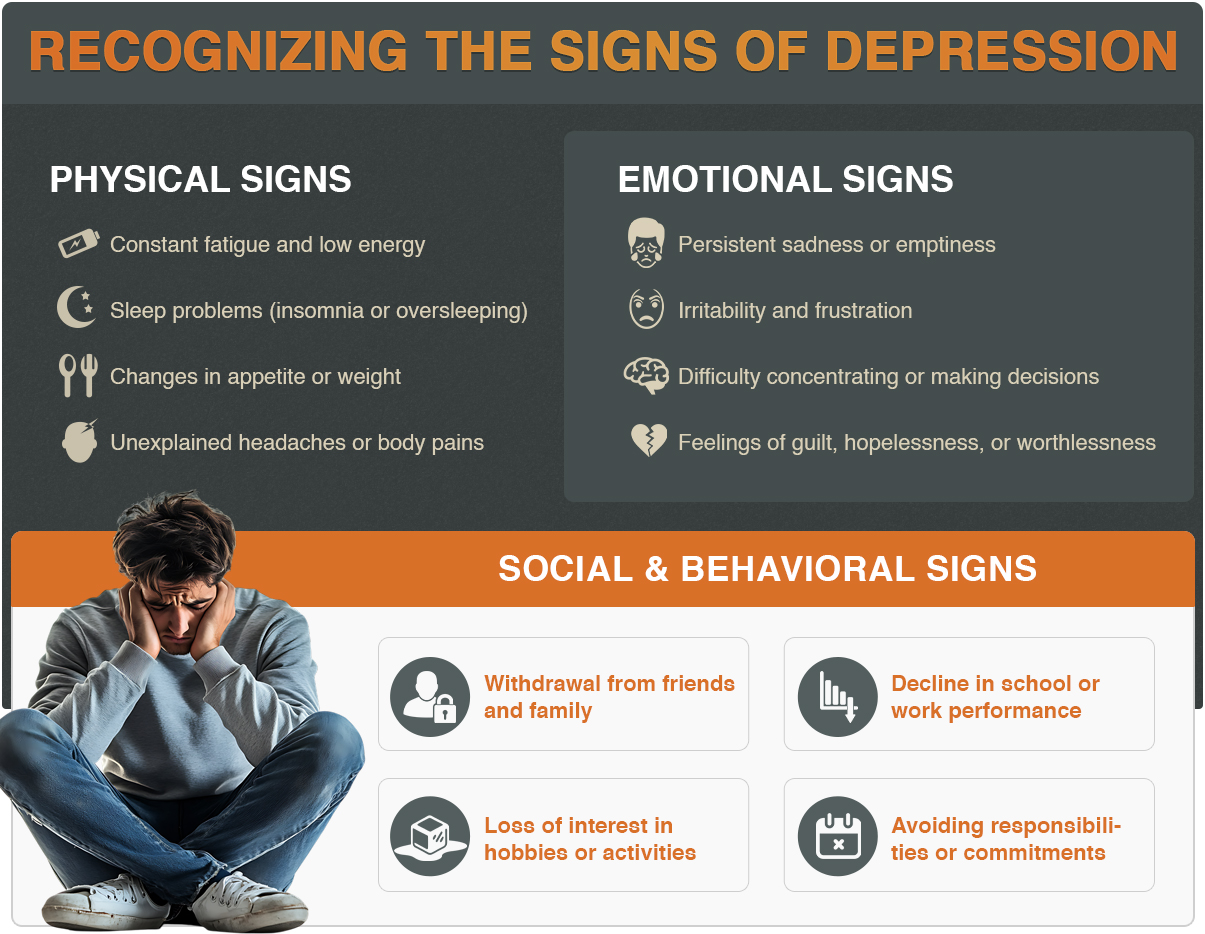
Nash and Dr. Emanuele stress that families should constantly be associated with the therapy of a youngster's depression."Part of therapy, especially at first, is to teach moms and dads regarding depression and just how treatment functions, states Dr. Emanuele."It's actually vital that moms and dads comprehend the concepts behind the therapies to ensure that they can instructor their kid, everyday, to utilize the abilities that they're learning."Dr. Clinicians can also provide advice concerning fostering much more favorable interactions. For moms and dads who are having a hard time as a result of their youngster's health problem, obtaining this assistance can be a large alleviation. And, certainly, as soon as a child begins feeling much better, their parents will begin feeling better, as well. What is the most reliable way to treat teenage clinical depression? Treatment for teen depression practically always involves treatment and can consist of drug. For much more severe clinical depression, dialectical behavior modification( DBT)can help youngsters learn to take care of extreme feelings. What are the most effective medicines to treat teenage depression? The most usual medicines used to deal with adolescent depression are called SSRIs( like Zoloft and Prozac) and SNRIs (like Strattera and Cymbalta). It's very important for youngsters who take drug to work closely with a physician. Is it vital for parents to be associated with treating their teenage's anxiety? Yes. It's necessary for parents to be associated with a teenage's depression treatment. Moms and dads can learn exactly how to support their kid and aid them exercise new abilities at home. Having a kid with clinical depression can be tough on families, and getting support from a specialist can make a huge distinction. Losing a loved one, experiencing a separation, obtaining fired from a work, and otherhard life shifts can lead to feelings of unhappiness, loneliness, and sadness. Mild and relatively brief versions of these sensations are regular reactions to life's stressors. When these sensations become extreme, relentless, and lasting, they can conflict with your capability to function in day-to-day life. Anxiety is highly treatable, and lots of people who look for specialist assistance really feel better. If you're dispirited, dealing with a therapist can aid you manage your feelings, change your understandings, and develop brand-new skills to ease your signs and symptoms. According to Mental Wellness America, even more than 80 %of clients treated for clinical depression improve. Depression is a mental disorder that involves persistent sadness, passiveness, feelings of pessimism or worthlessness, and a lack of interest in life. When these symptoms end up being overwhelming , constant, or durable, it's important to reach out for expert help. The signs and symptoms of clinical depression can differ widely, and numerous different sorts of anxiety loss under the category of depressive disorders. Some typical symptoms of clinical depression include sadness, reduced energy or cravings, rest problems, inflammation, and an absence of passion or pleasure.

Navigation
Latest Posts
The Critical Need for Mental Health Support Matters For Lasting Change
Developing Self-Acceptance for Brain-Based Variation
Coping with Anxiety with Internal Family Systems